

Glass Bottle

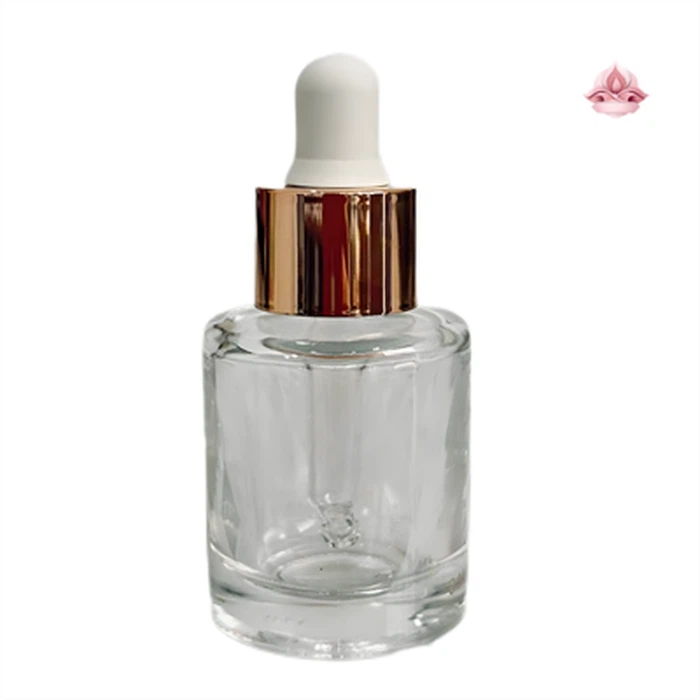
An glass bottle is designed to both house and dispense essential oils. Glass bottles are the preferred packaging for essential oils due to their chemical inertness, ensuring that the oils' purity and properties are not altered. The non-porous nature of glass prevents the absorption of oils or odors, maintaining the essential oils' integrity. Glass bottles are also environmentally friendly, being reusable and recyclable, and they offer a premium aesthetic appeal.
Benefits of Glass Bottle
A Sustainable Material
Glass is a durable material that is endlessly recyclable, reusable, and refillable, which minimizes waste and conserves natural resources.
Glass is an eco-friendly solution for preserving food, drinks, chemicals, pet care products, pharmaceuticals, nutraceuticals, and more.
100% Recyclable
Glass packaging plays a significant part in this. Despite the fact that most items need packaging to maintain their stability and safety, much packaging is disposable and not recyclable. To decrease waste and lessen environmental impacts, many consumers and companies are already switching to more sustainable packaging solutions.
Nonporous and Impermeable
Glass is incredibly dependable as a material, particularly for food and beverage packaging, since it’s both impermeable and nonporous. Glass always acts as a strong defense against external influences, preventing any unfavorable changes to the scent, taste, or composition of its contained contents. The inherent strength and rigidity of glass allow it to support and enclose generous volumes of material. These qualities mean that glass containers are some of the most durable and reliable packaging around.
Customizable
Glass is a recognizable, fashionable, and high-end packaging material that stimulates all five senses.
The natural components of the materials contained within glass blend flawlessly with the clear appearance of the material. Glass has a longstanding relationship with the fragrance and cosmetics industries and is synonymous with high-end product pedigrees.
Type of Glass Bottle
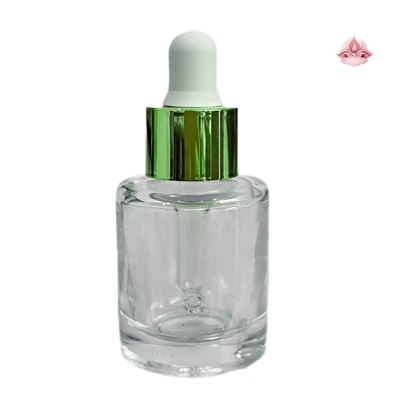
Small bottles (5ml to 10ml)
Firstly, essential oil glass bottle sizes of 5ml and 10ml are great options for those who are starting their journey with essential oils and they would be a good choice. These mini vessels are ideal for a person who wants to try multiple perfumes but without having to spend a lot of money. For people who want to carry their collection with them but don’t have much space, 10ml essential oil glass bottles are a great option.

Medium bottles (15ml to 30ml)
When considering medium-sized essential oil glass bottle options, the most common choices among essence enthusiasts are 15ml and 30ml selections. A 15ml bottle generally consists of 300 drops of essence; therefore, this bottle size is very convenient for regular users who have found their favorites and know how to use them.
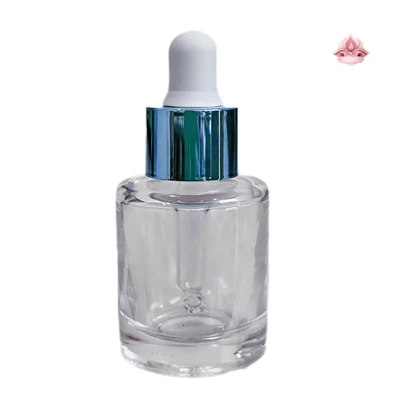
Large bottles (50ml to 100ml)
For those who use the essences more generously, such as in massage therapy or the manufacturing industry, the 50ml and 100ml containers prove to be more cost-effective. The 100ml container, equivalent to about 2000 drops, ensures ample essence for extended use, whether in a commercial establishment or for preparing homemade remedies in bulk.
How to Choose The Right Glass Bottle
Material quality and durability
Thicker glass provides better protection and is less likely to break. This is particularly important for shipping or transporting oils. As mentioned earlier, colored glass (like amber or black) offers protection against UV light. For oils that are light-sensitive, choosing a bottle with UV protection is crucial to preserve their therapeutic properties.
Size and capacity considerations
While glass bottle capacities range from 10 to 100ml, 10ml bottles are the most commonly used for pure essential oil packaging. This size is convenient for travel and sampling, appealing to customers who prefer smaller quantities. Larger capacities, such as 100ml, are suitable for diluted oils in products like sprays. The choice of bottle capacity depends on the oil type, customer preferences, and market demands.
Essential oil glass bottle accessories
Glass bottle accessories include droppers, sprayers, reducers, rollers, and caps. The selection of accessories depends on the specific usage scenario. For daily skincare, droppers and sprayers are recommended, while smaller bottles with reducers are suitable for sample shipments.
Safety
A good glass bottle should have a secure closure to prevent leaks, especially if the oils are to be transported. This is not only important for maintaining product quality but also for ensuring safety during handling and shipping.
The Use of Glass Bottles and Its Impact on the Environment
Since glass bottles are made, it has been proven that glass containers are an excellent option for the food and beverage industry. It maintains the quality of the content and protects the products from contamination. There are several reasons to consider glass bottles for industries that deal with food and beverage products.
Glass bottles improve the freshness of the food and beverage. It has an impermeable design that protects the quality of the products from air and contaminants. The glass is made from non-toxic materials and acknowledges as Generally Recognized as Safe (GRAS) by the Food and Drug Administration. Moreover, its airtight feature prevents the product from spoiling. Thus, food and beverage manufacturers can serve their products fresh and well-packed.
These coffee jars are multipurpose. You can store solid and liquid contents that you want. It has a lid that can airtightly close the container to prevent leak and preserve the freshness of the content. The glass is transparent, and you can quickly identify the contents inside the container.
The glass spirit bottles produced by Roetell are unique and elegant. They are contemporarily designed with exceptional design and clarity. Those who are wine-connoisseurs can appreciate most of its design perfection. It brings a new look to the lounge or home bar. Moreover, it has an airtight stopper to avoid contamination and leaks.
Roetell produces glass honey jars that resemble honeycombs. It is made with durable and high-quality glass that can last for a couple of years.
The glass oil bottles are perfect for storing oils, vinegar, or freshly prepare vinaigrette dressings. You can eat your food well and fresh with the glass-made oil dispenser. It has a unique cap material that controls the amount of oil or dressing poured onto the healthy meal. Consumers are well-pleased with a sumptuous meal.
The glass candy jars are made from a high-quality crystal that gives a brilliant design to the jars. It can be a decorative food storage canister for your candies and snacks. The jars are perfect for storing snacks or toiletries for the bathroom. The holiday season is coming! These crystal food storage bottles are elegant gifts for family members and friends.
Spice jars are essential for every kitchen! We all want our condiments to be stored safe and fresh. The glass food storage jars are water-resistant on the bottom and three-hole powder discharge on the top. There are no worries for safety as the glass jar passed the food-grade safety standard.
Creating glass containers can be accomplished by one of two different processes – the Blow and Blow, or the Press and Blow process. Each process is chosen based on the kind of glass bottle being made. All glass bottles start out as raw materials. Silica (sand), soda ash, limestone, and cullet (furnace-ready, recycled glass) are combined into a specific mixture based on the desired properties of the bottle. The mixture is then melted at high temperatures in the furnace until it becomes a molten material, ready for formation.
Glass Forming Methods
Molten glass gobs are cut by a perfectly-timed blade to ensure each gob is of equal weight before it goes into the forming machine. The weight of a gob is important to the formation process for each glass container being made. The molded glass is created by gravity feeding gobs of molten glass into a forming machine, where pressure forms the neck and basic shape of the bottle. Once the neck finish and the general glass bottle shape has been achieved, the form is known as a parison. To achieve the final container shape, one of two processes are used.
Press and Blow Process
The Press and Blow process is the most commonly used method in glass bottle manufacturing. It uses an individual section (IS) machine, which is separated into varying sections to produce several containers of the same size simultaneously. The molten glass is cut with a shearing blade into a specific gob size. The gob falls into the machine by force of gravity. A metal plunger is used to push the gob down into the mold, where it starts to take shape and become a parison. The parison is then transferred into the blow mold and reheated so that the parison is soft enough to finish off the dimensions of the glass. Once the parison is reheated to blowing temperature, air is injected to blow the container into shape. Press and blow methods are typically used for manufacturing wide-mouth bottles and jars as their size allows the plunger into the parison.
Blow and Blow Process
The Blow and Blow process is used to create narrow containers. It also requires an IS machine, where gobs of molten glass are gravity fed into the mold. The parison is created by using compressed air to form the neck finish and basic bottle shape. The parison is then flipped 180 degrees and reheated before air is again injected to blow the container into its final shape. Compressed air is once again used to blow the bottle into its desired shape. Blow and Blow methods are best used for glass bottle manufacturing requiring different neck thicknesses.
Finishing the Process
Regardless of the process used, once the bottle has been completely formed, it is removed from the mold and transferred to the annealing lehr. The lehr reheats the bottes to a temperature of about 1,050 degrees Fahrenheit then gradually cools them to about 390F. This process allows the glass to cool at an even rate - eliminating internal stresses in the glass that could lead to cracking or shattering. Bottles are then subjected to careful inspections to ensure they meet quality control guidelines. Any bottles showing imperfections, including bubbles, cracks, or misshapen areas, are removed from the line and used as cullet.
The Difference Between Glass Bottles and Plastic Bottles
Non-reactive
Essential oils are highly concentrated and can react with certain materials. Glass is non-reactive, so it does not react with the oils or affect their chemical composition. On the other hand, plastic is made of chemicals that can react with the oils, leading to the breakdown of the oils' therapeutic properties.
Airtight
Glass bottles offer an airtight seal that prevents oxygen from entering the bottle and causing the oils to oxidize. Plastic bottles are porous, which means they allow air to pass through, leading to the breakdown of the oils.
Protection from light
Essential oils can be sensitive to light and heat, causing them to degrade over time. Glass bottles are available in amber or black colors, which offer protection from light and heat. In contrast, plastic bottles are transparent and do not provide any protection from light or heat.
Longer shelf life
Due to their non-reactive, airtight, and light-protective properties, essential oils stored in glass bottles have a longer shelf life compared to those stored in plastic bottles. The longer shelf life ensures that the oils retain their therapeutic properties and effectiveness for a more extended period.
Environmentally friendly
Glass bottles are more environmentally friendly compared to plastic bottles. Glass is recyclable, and the recycling process uses less energy and produces less waste compared to the recycling of plastic bottles.
First and foremost, it's essential to clean your glass bottles immediately after use. This is especially important if the bottle has been used to store acidic liquids, such as vinegar or lemon juice, as these can cause discoloration and etching if left to sit for too long. To clean your glass bottles, simply fill them with warm water and a drop of dish soap, and then use a bottle brush to scrub the inside and outside of the bottle. Make sure to reach all the nooks and crannies, including the cap or lid, to remove any debris or residue. Rinse the bottle thoroughly with clean water and dry it with a clean towel.
Another great way to clean your glass bottles is to use a mixture of water and baking soda. Simply fill the bottle with warm water and add a few tablespoons of baking soda. Shake the bottle vigorously to distribute the baking soda, and then use a bottle brush to scrub the inside of the bottle. Rinse the bottle with clean water and dry it with a clean towel. Baking soda is a natural cleaner that can effectively remove stains and odors from your glass bottles.
For tough stains and residues, you can use a combination of white vinegar and baking soda. Fill the bottle with equal parts white vinegar and water, and then add a tablespoon of baking soda. Shake the bottle vigorously to mix the ingredients, and then let it sit for an hour. Use a bottle brush to scrub the inside of the bottle, and then rinse it with clean water and dry it with a clean towel.
To maintain the clarity of your glass bottles, it's essential to keep them away from abrasive materials and harsh chemicals. Avoid using abrasive sponges or steel wool to clean your glass bottles, as these can scratch the surface of the glass. Also, avoid using bleach or other harsh chemicals to clean your glass bottles, as these can damage the glass and leave behind a residue.
It's also a good idea to store your glass bottles in a cool, dry place away from direct sunlight. Sunlight can cause discoloration and damage to the glass over time, so it's best to keep your glass bottles in a cupboard or pantry. If you need to store your glass bottles in a sunny area, consider covering them with a towel or a cloth to protect them from the sun's rays.
Another important thing to remember when cleaning and maintaining your glass bottles is to check them for cracks or chips before each use. Even small cracks or chips can cause your glass bottles to break or shatter, so it's essential to inspect them regularly. If you notice any cracks or chips in your glass bottles, it's best to replace them as soon as possible.
Our Factory
The first plant is located in Huangjiabu Town, Yuyao City, Ningbo City, China, 20 minutes away from Hangzhou Bay Bridge, 2 hours away from Shanghai, Suzhou. Only 1 hour drive from Ningbo Port. The transportation is very convenient.
The company currently covers an area of 12, 000 square meters, the existing staff of 150 people, the company has a group of senior management team and a group of excellent technical personnel.

Certificate

FAQ
We're professional glass bottle suppliers in China, specialized in providing high quality customized service. We warmly welcome you to buy cheap glass bottle for sale here from our factory. Quality products and low price are available.