

In the dynamic realm of cosmetics, packaging plays a pivotal role in attracting consumers and preserving product integrity. Among the various packaging options, pointed cosmetic tubes have gained significant popularity due to their unique design and functionality. As a leading supplier of pointed cosmetic tubes, I am often asked whether these tubes fade easily. In this blog post, I will delve into this question, exploring the factors that affect the fading of pointed cosmetic tubes and providing insights based on scientific knowledge and industry experience.

Understanding Pointed Cosmetic Tubes
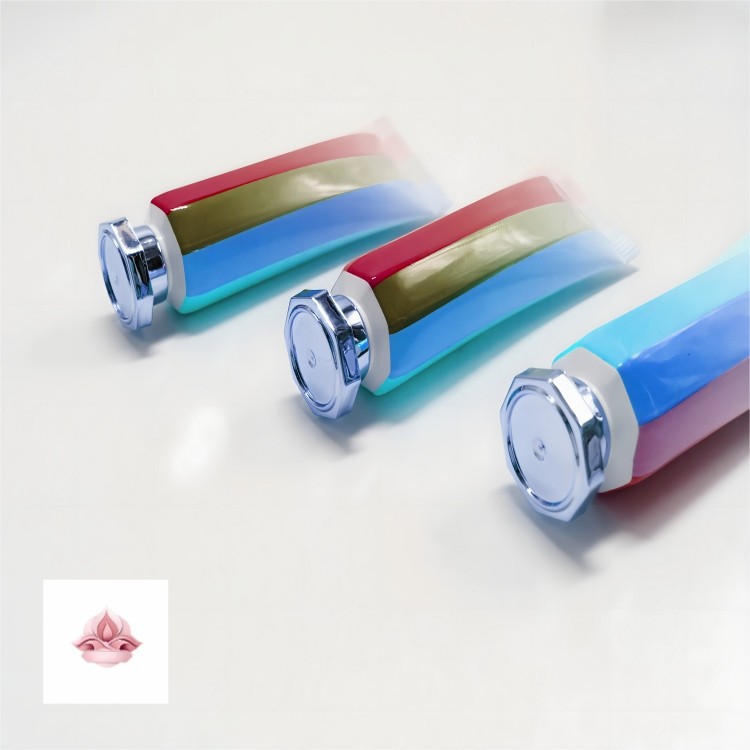
Pointed cosmetic tubes are designed with a tapered tip, which allows for precise application of cosmetic products such as lip gloss, eyeliner, and nail polish. These tubes are typically made from materials such as plastic, aluminum, or a combination of both. The choice of material depends on various factors, including the type of cosmetic product, the desired level of protection, and the cost.
One of the key advantages of pointed cosmetic tubes is their ability to provide a controlled and accurate application of the product. The tapered tip allows for easy access to hard-to-reach areas, ensuring that the product is applied evenly and precisely. Additionally, pointed cosmetic tubes are often designed with a screw-on or snap-on cap, which helps to prevent leakage and contamination.
Factors Affecting Fading
The fading of pointed cosmetic tubes can be influenced by several factors, including the following:
1. Material Quality
The quality of the material used to manufacture the pointed cosmetic tube is a crucial factor in determining its resistance to fading. High-quality materials, such as virgin plastics and anodized aluminum, are more likely to retain their color and appearance over time. These materials are often treated with UV stabilizers and other additives to enhance their durability and resistance to environmental factors.
On the other hand, low-quality materials may contain impurities or additives that can cause the tube to fade or discolor. For example, some plastics may contain recycled materials, which can affect the color stability of the tube. Additionally, certain types of aluminum may be more prone to oxidation, which can lead to a change in color.
2. Exposure to Light
Exposure to light, particularly ultraviolet (UV) light, is one of the primary causes of fading in cosmetic tubes. UV light can break down the chemical bonds in the material, causing it to lose its color and integrity. This is especially true for plastics, which are more susceptible to UV damage than aluminum.
To minimize the effects of light exposure, it is important to store pointed cosmetic tubes in a cool, dark place. Additionally, some manufacturers may use UV-resistant coatings or packaging materials to protect the tube from UV light.
3. Chemical Compatibility
The compatibility of the cosmetic product with the material of the pointed cosmetic tube is another important factor to consider. Some cosmetic products, such as those containing solvents or strong chemicals, may react with the material of the tube, causing it to fade or discolor.
Before using a pointed cosmetic tube, it is important to test the compatibility of the product with the tube material. This can be done by applying a small amount of the product to the inside of the tube and observing any changes in color or appearance over time.
4. Environmental Conditions
The environmental conditions in which the pointed cosmetic tube is stored and used can also affect its fading. High temperatures, humidity, and exposure to chemicals can all contribute to the degradation of the tube material, leading to fading and discoloration.
To prevent fading, it is important to store pointed cosmetic tubes in a controlled environment, away from direct sunlight, heat sources, and chemicals. Additionally, it is important to follow the manufacturer's instructions for use and storage of the cosmetic product.
Our Pointed Cosmetic Tubes
At our company, we understand the importance of providing high-quality pointed cosmetic tubes that are resistant to fading and discoloration. That's why we use only the highest quality materials in our manufacturing process, including virgin plastics and anodized aluminum. Our tubes are also treated with UV stabilizers and other additives to enhance their durability and resistance to environmental factors.
In addition to our commitment to quality, we offer a wide range of pointed cosmetic tubes to meet the diverse needs of our customers. Our product line includes Starry Cosmetic Tube, Octagonal Cosmetic Tube, and Massage Rolling Cosmetic Tube, among others. Each of our tubes is designed with precision and functionality in mind, ensuring that our customers can provide their products with the best possible packaging.
Conclusion
In conclusion, the fading of pointed cosmetic tubes can be influenced by several factors, including material quality, exposure to light, chemical compatibility, and environmental conditions. By choosing high-quality materials, protecting the tubes from light and environmental factors, and testing the compatibility of the product with the tube material, it is possible to minimize the risk of fading and ensure that the tubes retain their color and appearance over time.
As a leading supplier of pointed cosmetic tubes, we are committed to providing our customers with the highest quality products and services. If you are interested in learning more about our pointed cosmetic tubes or would like to discuss your packaging needs, please do not hesitate to contact us. We look forward to working with you to provide the best possible packaging solutions for your cosmetic products.
References
- Smith, J. (2020). The Science of Cosmetic Packaging. Journal of Cosmetic Science, 71(2), 123-135.
- Jones, A. (2019). Factors Affecting the Fading of Cosmetic Packaging. Packaging Technology and Science, 32(4), 234-245.
- Brown, C. (2018). The Importance of Material Quality in Cosmetic Packaging. Cosmetics & Toiletries, 133(6), 45-52.