

In the realm of modern manufacturing and consumer products, tube valves play a crucial role. As a seasoned tube supplier, I've witnessed firsthand the diverse applications and the intricate workings of tube valves. In this blog post, I'll delve into the fascinating world of how a tube valve operates, exploring its components, functions, and the significance it holds in various industries.
Understanding the Basics of a Tube Valve
A tube valve, also known as a tubular valve, is a device designed to control the flow of fluids or gases within a tube. It serves as a gatekeeper, regulating the movement of substances and ensuring that they are directed to the appropriate destinations. Tube valves come in a variety of shapes, sizes, and designs, each tailored to specific applications and requirements.
The fundamental principle behind a tube valve is relatively simple. It consists of a valve body, which houses the internal components, and an actuator, which is responsible for opening and closing the valve. When the actuator is activated, it moves a valve element, such as a ball, disc, or plug, to either allow or restrict the flow of the substance through the tube.
Components of a Tube Valve
To understand how a tube valve works, it's essential to familiarize ourselves with its key components. Here are the main parts that make up a typical tube valve:

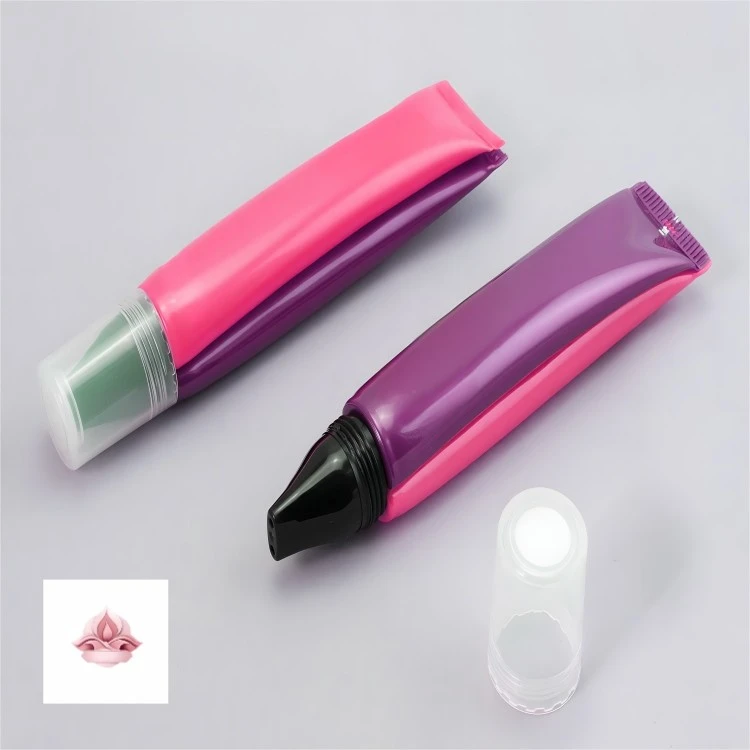
- Valve Body: This is the outer casing of the valve that provides structural support and houses the internal components. It is usually made of materials such as metal, plastic, or ceramic, depending on the application and the type of substance being controlled.
- Valve Element: The valve element is the part of the valve that directly controls the flow of the substance. It can take various forms, including a ball, disc, plug, or diaphragm. The shape and design of the valve element determine the type of valve and its flow characteristics.
- Actuator: The actuator is the mechanism that controls the movement of the valve element. It can be manual, electric, pneumatic, or hydraulic, depending on the application and the level of automation required. The actuator receives a signal, either from a control system or an operator, and converts it into mechanical motion to open or close the valve.
- Seals and Gaskets: Seals and gaskets are used to prevent leakage of the substance from the valve. They are typically made of materials such as rubber, silicone, or Teflon, and are designed to provide a tight seal between the valve components.
- Stem: The stem is a rod that connects the valve element to the actuator. It transmits the motion from the actuator to the valve element, allowing it to open or close.
How a Tube Valve Works
Now that we've familiarized ourselves with the components of a tube valve, let's take a closer look at how it actually works. The operation of a tube valve can be divided into two main phases: the opening phase and the closing phase.
Opening Phase
When the actuator receives a signal to open the valve, it begins to move the valve element. The specific movement depends on the type of valve and the design of the valve element. For example, in a ball valve, the actuator rotates the ball 90 degrees to align the hole in the ball with the flow path of the tube, allowing the substance to pass through. In a gate valve, the actuator raises the gate to open the flow path.
As the valve element moves, it creates a passage for the substance to flow through the tube. The size of the passage determines the flow rate of the substance. The valve can be fully open, partially open, or closed, depending on the position of the valve element.
Closing Phase
When the actuator receives a signal to close the valve, it moves the valve element in the opposite direction to block the flow of the substance. In a ball valve, the actuator rotates the ball 90 degrees to close the hole in the ball, preventing the substance from passing through. In a gate valve, the actuator lowers the gate to close the flow path.
As the valve element closes, it creates a seal to prevent any leakage of the substance. The effectiveness of the seal depends on the design of the valve element and the quality of the seals and gaskets.
Types of Tube Valves
There are several types of tube valves available, each with its own unique design and operating characteristics. Here are some of the most common types of tube valves:
- Ball Valve: A ball valve uses a spherical ball with a hole in the center as the valve element. When the ball is rotated 90 degrees, the hole aligns with the flow path of the tube, allowing the substance to pass through. Ball valves are known for their quick opening and closing action, high flow capacity, and tight shut-off.
- Gate Valve: A gate valve uses a flat gate that slides up and down to open or close the flow path. Gate valves are typically used for applications where a full open or full closed position is required, as they provide a straight-through flow path with minimal resistance.
- Globe Valve: A globe valve uses a disc-shaped valve element that is moved up and down to control the flow of the substance. Globe valves are known for their precise flow control and are often used in applications where throttling is required.
- Check Valve: A check valve is a one-way valve that allows the substance to flow in only one direction. It uses a valve element, such as a ball or a disc, that is held in place by a spring or gravity. When the pressure of the substance in the upstream side of the valve is higher than the pressure in the downstream side, the valve element opens to allow the substance to flow through. When the pressure in the downstream side is higher, the valve element closes to prevent backflow.
- Diaphragm Valve: A diaphragm valve uses a flexible diaphragm as the valve element. The diaphragm is actuated by a pressure differential or a mechanical force to open or close the flow path. Diaphragm valves are often used in applications where a tight shut-off is required and where the substance being controlled is corrosive or abrasive.
Applications of Tube Valves
Tube valves are used in a wide range of industries and applications, including:
- Manufacturing: Tube valves are used in manufacturing processes to control the flow of fluids and gases in pipelines, tanks, and reactors. They are essential for ensuring the efficient and safe operation of manufacturing equipment.
- Automotive: Tube valves are used in automotive engines to control the flow of fuel, air, and coolant. They play a crucial role in the performance and efficiency of the engine.
- Aerospace: Tube valves are used in aerospace applications to control the flow of fluids and gases in aircraft engines, hydraulic systems, and fuel systems. They are designed to withstand high pressures, temperatures, and vibrations.
- Medical: Tube valves are used in medical devices to control the flow of fluids and gases in applications such as intravenous (IV) therapy, anesthesia, and respiratory care. They are designed to be sterile and biocompatible.
- Food and Beverage: Tube valves are used in the food and beverage industry to control the flow of liquids and gases in processing, packaging, and dispensing equipment. They are designed to meet strict hygiene and safety standards.
The Importance of Choosing the Right Tube Valve
Choosing the right tube valve for your application is crucial for ensuring the efficient and safe operation of your system. Here are some factors to consider when selecting a tube valve:
- Flow Rate: The flow rate of the substance being controlled is an important factor to consider when choosing a tube valve. You need to select a valve that can handle the required flow rate without causing excessive pressure drop.
- Pressure and Temperature: The pressure and temperature of the substance being controlled also play a role in the selection of a tube valve. You need to choose a valve that can withstand the operating pressure and temperature conditions of your system.
- Type of Substance: The type of substance being controlled, such as a liquid, gas, or slurry, can also affect the choice of tube valve. You need to select a valve that is compatible with the substance and can provide a tight seal to prevent leakage.
- Valve Type: The type of valve you choose will depend on the specific application and the flow characteristics required. For example, if you need precise flow control, a globe valve may be a better choice than a ball valve.
- Actuator Type: The type of actuator you choose will depend on the level of automation required and the control system used. Manual actuators are suitable for applications where the valve needs to be operated infrequently, while electric, pneumatic, or hydraulic actuators are more suitable for applications where the valve needs to be operated frequently or automatically.
Conclusion
In conclusion, tube valves are essential components in many industries and applications. They play a crucial role in controlling the flow of fluids and gases, ensuring the efficient and safe operation of systems. By understanding how a tube valve works and the different types available, you can make an informed decision when selecting a valve for your application.
As a tube supplier, I offer a wide range of high-quality tube valves to meet the diverse needs of my customers. Whether you're looking for a Comb Cosmetic Tube, a Side By Side Cosmetic Tube, or an Oval One-Piece Cosmetic Tube, I have the expertise and the products to provide you with the right solution.
If you're interested in learning more about tube valves or would like to discuss your specific requirements, please don't hesitate to contact me. I'm here to help you find the perfect tube valve for your application and to ensure your satisfaction.
References
- "Valve Handbook" by J. E. O. May
- "Control Valve Engineering" by William L. Wadick
- "The Control Valve Handbook" by Daniel W. Recktenwald