

As a seasoned lip gloss supplier, I've had the privilege of witnessing the ever - evolving trends in the beauty industry. One of the most common questions I receive from both consumers and fellow makeup enthusiasts is how to make lip gloss more pigmented. In this blog post, I'll share some scientific and practical tips to help you achieve that vibrant, long - lasting color payoff in your lip gloss.
Understanding the Basics of Lip Gloss Pigmentation
Before we dive into the methods of enhancing pigmentation, it's crucial to understand what makes lip gloss pigmented in the first place. Pigmentation in lip gloss is primarily determined by the type and amount of colorants used. There are two main types of colorants: natural and synthetic.
Natural colorants, such as plant extracts and minerals, are often favored for their more "clean" and eco - friendly image. However, they may not always provide the same level of intense color as synthetic colorants. Synthetic colorants, on the other hand, are engineered to offer a wide range of vivid and long - lasting hues.
The dispersion of these colorants in the lip gloss base also plays a significant role. If the colorants are not evenly dispersed, the lip gloss may appear patchy or have inconsistent color payoff.
Selecting the Right Pigments
High - Quality Pigments
Investing in high - quality pigments is the first step towards creating a more pigmented lip gloss. Look for pigments that are specifically formulated for cosmetic use. These pigments are usually more stable, have better color saturation, and are less likely to cause skin irritation.
Pigment Concentration
The concentration of pigments in the lip gloss formula can greatly affect its pigmentation. However, it's important to find the right balance. Adding too many pigments can make the lip gloss thick, sticky, and difficult to apply. A general rule of thumb is to start with a small amount of pigment and gradually increase it until you achieve the desired color intensity.
Pigment Type
Different types of pigments can produce different effects. For example, pearl pigments can add a shimmery, iridescent look to the lip gloss, while matte pigments can create a more velvety, opaque finish. Consider the desired look of your lip gloss when selecting the pigment type.
Improving Pigment Dispersion
Use of Dispersants
Dispersants are chemicals that help to break down and evenly distribute the pigments in the lip gloss base. Adding a small amount of dispersant to your lip gloss formula can significantly improve pigment dispersion. Some common dispersants used in cosmetics include lecithin and polyethylene glycol.
Mixing Techniques
Proper mixing techniques are essential for achieving uniform pigment dispersion. Use a high - speed mixer or a homogenizer to ensure that the pigments are thoroughly mixed with the lip gloss base. You may also need to heat the lip gloss base slightly during the mixing process to make it more fluid and easier to mix.
Enhancing Pigmentation with Additives
Oils and Waxes
Certain oils and waxes can enhance the pigmentation of lip gloss. For example, castor oil is known for its ability to dissolve pigments well and can help to make the lip gloss more pigmented. Beeswax can also add body to the lip gloss and improve the adhesion of the pigments to the lips.
Resins
Resins can be added to the lip gloss formula to increase its viscosity and improve pigment adhesion. They can also help to create a more long - lasting color payoff. Some common resins used in lip glosses include polybutene and hydrogenated polyisobutene.
Packaging and Storage
Packaging
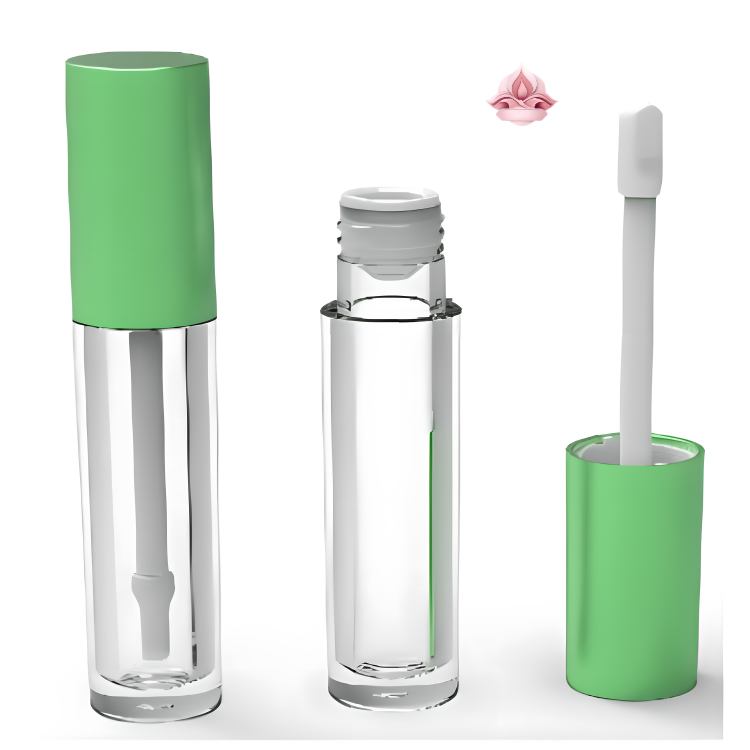
The packaging of your lip gloss can also affect its pigmentation. Choose a packaging that is opaque or has UV protection to prevent the pigments from fading due to exposure to light. For example, our PET Cap Round Lip Gloss and Double Cap Round Lip Gloss are designed with high - quality materials that provide excellent protection for the lip gloss inside.
Storage
Proper storage is crucial for maintaining the pigmentation of your lip gloss. Store your lip gloss in a cool, dry place away from direct sunlight and heat. High temperatures can cause the pigments to break down and lose their color intensity.
Testing and Quality Control
Color Testing
Before launching a new lip gloss product, it's important to conduct thorough color testing. Use colorimeters or spectrophotometers to measure the color intensity and accuracy of your lip gloss. This will help you to ensure that the lip gloss meets your desired pigmentation standards.
Stability Testing
Stability testing is also essential to ensure that the pigmentation of the lip gloss remains consistent over time. Test the lip gloss under different conditions, such as high and low temperatures, humidity, and light exposure, to evaluate its color stability.

Conclusion
Making your lip gloss more pigmented requires a combination of selecting the right pigments, improving pigment dispersion, using additives, and paying attention to packaging and storage. By following these scientific and practical tips, you can create lip glosses with vibrant, long - lasting color payoff.
If you're interested in sourcing high - quality lip gloss products or have any questions about lip gloss pigmentation, I'd be more than happy to assist you. Feel free to reach out for a detailed discussion and explore the possibilities of working together. We also offer a wide range of lip gloss products, including our PET Bottle Round Lip Gloss, which are known for their excellent pigmentation and quality.
References
- Cosmetics Science and Technology, Third Edition. Edited by Harry P. Flick.
- Handbook of Cosmetic Science and Technology, Third Edition. Edited by Albert M. Kligman, Howard I. Maibach.
- Journal of Cosmetic Science, various issues related to lip product formulation.