

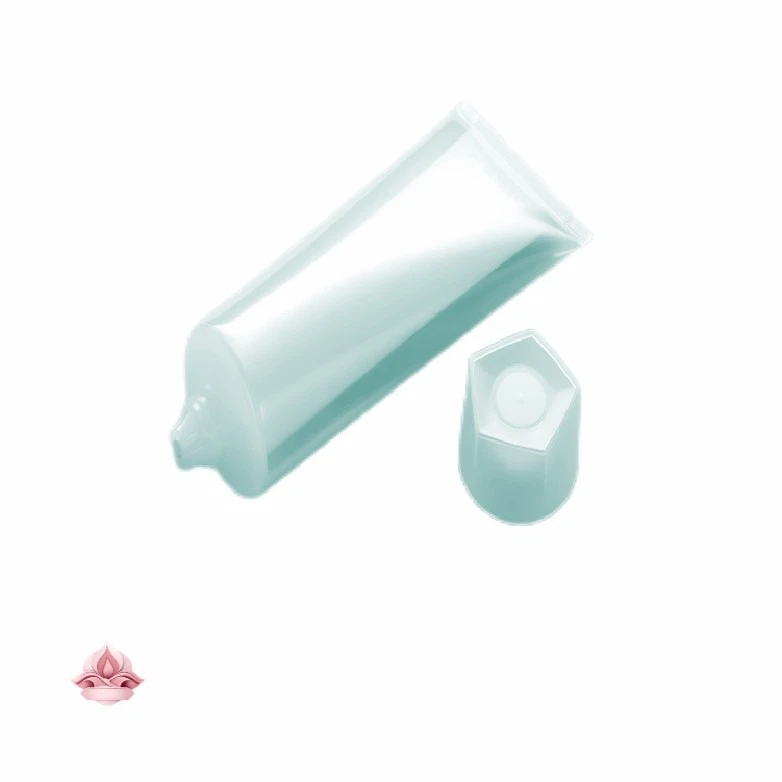
Soft tip cosmetic tubes have gained significant popularity in the beauty industry due to their unique design and functionality. As a supplier of soft tip cosmetic tubes, I've had the opportunity to witness firsthand the widespread adoption of these products by cosmetic brands. However, like any product, soft tip cosmetic tubes are not without their drawbacks. In this blog post, I will explore some of the disadvantages associated with soft tip cosmetic tubes, providing a balanced perspective for both cosmetic manufacturers and consumers.
Durability Issues
One of the primary disadvantages of soft tip cosmetic tubes is their relatively low durability compared to other types of cosmetic packaging. The soft tip is typically made of a flexible material, such as plastic or rubber, which is more prone to damage than rigid materials. This means that the tip can easily be bent, crushed, or torn, especially if the tube is mishandled or subjected to excessive pressure.
For example, if a consumer accidentally steps on a soft tip cosmetic tube or squeezes it too hard, the tip may break off or become deformed. This not only affects the functionality of the tube but also leads to product leakage, which can be messy and wasteful. Additionally, the soft tip may wear out over time, especially with frequent use, resulting in a decrease in the tube's performance and lifespan.
Product Contamination
Another significant disadvantage of soft tip cosmetic tubes is the potential for product contamination. The soft tip design allows for easy access to the product, but it also creates a larger opening through which bacteria, dirt, and other contaminants can enter the tube. This is particularly problematic for cosmetic products that are sensitive to contamination, such as creams, lotions, and serums.
When the soft tip comes into contact with the skin or other surfaces, it can pick up bacteria and transfer them into the product. Over time, this can lead to the growth of microorganisms, which can cause the product to spoil or become unsafe for use. To mitigate this risk, consumers need to be careful when using soft tip cosmetic tubes and ensure that the tip is kept clean. However, even with proper care, there is still a higher risk of contamination compared to other types of packaging.
Limited Product Compatibility
Soft tip cosmetic tubes may not be suitable for all types of cosmetic products. The soft tip design is best suited for products with a relatively thin consistency, such as liquid foundations, concealers, and lip glosses. Thicker products, such as creams and ointments, may not flow smoothly through the soft tip, resulting in clogging or uneven dispensing.
In addition, some cosmetic products may react with the material of the soft tip, causing it to degrade or change color. This can affect the appearance and performance of the product and may also pose a safety risk to consumers. Therefore, cosmetic manufacturers need to carefully consider the compatibility of their products with soft tip cosmetic tubes before choosing this type of packaging.
Cost
Soft tip cosmetic tubes are generally more expensive to manufacture than other types of cosmetic packaging. The soft tip requires additional materials and manufacturing processes, which increase the overall cost of production. This cost is often passed on to the consumer, making soft tip cosmetic tubes more expensive than their counterparts.
For cosmetic brands, the higher cost of soft tip cosmetic tubes can impact their profit margins, especially if they are targeting price-sensitive consumers. Additionally, the cost of replacing damaged or worn-out soft tip tubes can add up over time, further increasing the overall cost of using this type of packaging.
Environmental Impact
In today's environmentally conscious world, the environmental impact of packaging is an important consideration. Soft tip cosmetic tubes are typically made of plastic, which is a non-biodegradable material that can take hundreds of years to decompose. This means that soft tip cosmetic tubes contribute to the growing problem of plastic pollution, which has a significant impact on the environment.
Furthermore, the manufacturing process of soft tip cosmetic tubes requires a significant amount of energy and resources, which further contributes to their environmental footprint. To address these concerns, some cosmetic brands are exploring more sustainable packaging options, such as biodegradable plastics and recyclable materials. However, these alternatives may not be as widely available or cost-effective as traditional plastic soft tip tubes.

Conclusion
While soft tip cosmetic tubes offer several advantages, such as easy application and precise dispensing, they also have several disadvantages that need to be considered. These include durability issues, product contamination, limited product compatibility, cost, and environmental impact. As a supplier of soft tip cosmetic tubes, I understand the importance of providing high-quality products that meet the needs of our customers. However, I also recognize the need to be transparent about the limitations of our products and to provide our customers with all the information they need to make informed decisions.
If you are a cosmetic manufacturer or brand considering using soft tip cosmetic tubes for your products, I encourage you to carefully weigh the advantages and disadvantages before making a decision. You may also want to explore alternative packaging options that offer similar functionality but with fewer drawbacks. At [Supplier's Name], we are committed to providing our customers with a wide range of packaging solutions to meet their specific needs. If you have any questions or would like to learn more about our products, please do not hesitate to [Contact Method]. We look forward to working with you to find the best packaging solution for your cosmetic products.
References
- Cosmetic Tube In Cosmetic Tube: /tube/cosmetic-tube-in-cosmetic-tube.html
- Pinpoint Cosmetic Tube: /tube/pinpoint-cosmetic-tube.html
- Slanted TiP Cosmetic Tude: /tube/slanted-tip-cosmetic-tude.html