

In the context of the human body, when we talk about "tubes," we're referring to a variety of hollow structures that play crucial roles in keeping us up and running. These tubes are like the highways and pipelines of our body, transporting all sorts of important stuff and making sure everything functions smoothly.
Let's start with the most well - known tube, the esophagus. It's that long, muscular tube that connects your throat to your stomach. Think of it as a delivery chute for your food. After you chew your food and swallow it, the esophagus takes over. It uses a series of muscle contractions called peristalsis to push the food down into the stomach. It's pretty amazing how this simple - looking tube can efficiently move food, even when you're lying down!
Next up is the trachea, also known as the windpipe. This tube is a key part of our respiratory system. It's lined with tiny hairs called cilia that help filter out dust and other particles from the air we breathe. The trachea branches off into two bronchi, which then lead to the lungs. Without a properly functioning trachea, we wouldn't be able to get the oxygen we need into our bodies and expel carbon dioxide. It's like the main air duct in a building, making sure the air circulates in and out.
The blood vessels in our body are also tubes of sorts. There are arteries, which carry oxygen - rich blood away from the heart to the rest of the body, and veins, which bring oxygen - poor blood back to the heart. Capillaries are the smallest of these blood vessels, connecting arteries and veins. They're so thin that oxygen and nutrients can pass through their walls and into the body's cells. These blood - carrying tubes are like a vast network of roads, delivering essential supplies to every corner of our body.
The urinary system also has its own set of tubes. The ureters are two thin tubes that connect the kidneys to the bladder. They transport urine, which is a waste product filtered out by the kidneys, to the bladder for storage. Then, when it's time to go, the bladder contracts, and urine is released through the urethra, another tube. This whole tube - based system in the urinary tract helps keep our bodies free of harmful waste.
Now, as a tube supplier, I know a thing or two about different types of tubes. We're not talking about the human body tubes here, but rather tubes for other applications, like in the cosmetic industry. For example, we have the Octagonal Cosmetic Tube. This tube has a unique octagonal shape, which not only looks cool but also provides a better grip for users. It's perfect for holding various cosmetic products, from creams to gels.
Another great option is the Oval One - Piece Cosmetic Tube. The oval shape gives it a sleek and modern look. Being a one - piece design, it's more durable and less likely to leak compared to some other types of tubes. It can be used to package lip balms, lotions, and other beauty essentials.
And then there's the Replaceable Roller Ball Cosmetic Tube. This tube comes with a replaceable roller ball, which is super convenient. It's ideal for products like liquid concealers or eye serums. The roller ball allows for easy and precise application, and when it wears out, you can simply replace it.
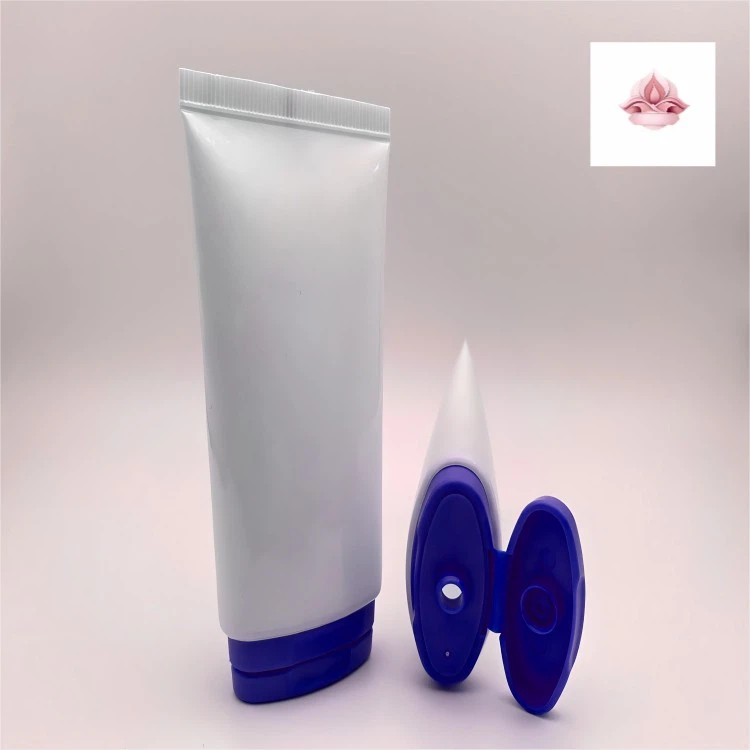

If you're in the market for high - quality tubes for your cosmetic or other products, we've got you covered. Our tubes are made with the best materials and are designed to meet your specific needs. Whether you're a small startup or a big - name brand, we can provide the right tubes for your business. We understand that in today's competitive market, having the right packaging can make a huge difference. Our tubes not only protect your products but also enhance their appeal.
If you're interested in learning more about our tube offerings or want to start a procurement discussion, don't hesitate to reach out. We're always happy to talk about how our tubes can fit into your product line and help you stand out in the market.
References
- Guyton, A. C., & Hall, J. E. (2006). Textbook of Medical Physiology (11th ed.). Elsevier Saunders.
- Tortora, G. J., & Derrickson, B. (2014). Principles of Anatomy and Physiology (14th ed.). Wiley.