

Hey there! I'm a supplier of soft tip cosmetic tubes, and today I'm super stoked to take you through the production process of these nifty little things. Soft tip cosmetic tubes are all around us, holding our favorite lip balms, creams, and more. So, let's dig in and see how they're made!
Raw Material Selection
The very first step in making soft tip cosmetic tubes is picking the right raw materials. We need materials that are safe for cosmetics, durable, and can keep the product inside fresh. Usually, we go for high - density polyethylene (HDPE) or low - density polyethylene (LDPE). These plastics are great because they're non - toxic, flexible, and can be easily molded.
We also consider the quality of the plastic granules. They need to be uniform in size and free from impurities. A good supplier is crucial here. We work with trusted partners who can provide us with top - notch plastic materials. This ensures that our tubes are of high quality right from the start.
Tube Extrusion
Once we've got our raw materials, it's time for the extrusion process. This is like making a long, thin tube of plastic. We feed the plastic granules into an extruder, which is basically a big machine that heats the plastic until it turns into a molten state.

The molten plastic is then pushed through a die, which gives it the shape of a tube. The size and thickness of the tube are determined by the size of the die. This process is continuous, so we can make long lengths of plastic tubes. After extrusion, the tubes are cooled down quickly using water or air. This helps to set the shape and make the tube more rigid.
Printing and Decoration
Now, the tubes look pretty plain. But we want them to stand out on the shelves! That's where printing and decoration come in. We can print all sorts of things on the tubes, like brand names, product descriptions, and cool designs.
There are different printing methods we can use. One common method is flexographic printing. It's a fast and cost - effective way to print on the tubes. We use a flexible printing plate that transfers the ink onto the tube's surface. Another option is silk - screen printing, which gives a more detailed and high - quality print.
We can also add some extra decoration, like embossing or foiling. Embossing makes a raised design on the tube, while foiling adds a shiny, metallic look. These extra touches make the tubes more attractive to customers. You can check out some of our different tube designs on our Mist Cosmetic Tube page.
Tip Manufacturing
The soft tip is what makes these tubes special. It's designed to dispense the product smoothly and precisely. To make the soft tip, we use a different type of plastic or rubber that's more flexible than the tube itself.
First, we mold the tip into the right shape. There are various tip designs, like the Slanted TiP Cosmetic Tude, which is great for applying products at an angle. The molding process is similar to tube extrusion, but it's more precise because the tip is smaller.
After molding, the tips are inspected to make sure they're of good quality. They need to be flexible enough to dispense the product easily but also strong enough to last.
Assembly
Once the tubes and tips are ready, it's time to put them together. This is a relatively simple process. We use a machine to attach the tip to the tube. The tip is usually glued or heat - sealed onto the tube to make a secure connection.
During assembly, we also make sure that the tube is properly sealed at the end. This prevents the product inside from leaking out. We do a quality check to ensure that the assembly is done correctly and that the tube functions properly.
Quality Control
Quality control is a super important part of the production process. We don't want to send out any faulty tubes to our customers. So, we have a series of tests to make sure that every tube meets our standards.
We check the tubes for things like leaks, cracks, and proper tip function. We also test the printing and decoration to make sure the colors are bright and the designs are clear. If a tube fails any of these tests, it's removed from the production line.
Packaging
Finally, the tubes are ready to be packaged. We pack them in boxes or cartons, depending on the customer's requirements. We make sure that the packaging is sturdy enough to protect the tubes during shipping.
We can also add some extra protection, like bubble wrap or foam inserts. This helps to prevent the tubes from getting damaged. The packaged tubes are then stored in a warehouse until they're ready to be shipped to our customers.
Customization and Special Features
One of the great things about being a soft tip cosmetic tube supplier is that we can offer customization. Customers can choose different tube sizes, colors, tip designs, and printing options.
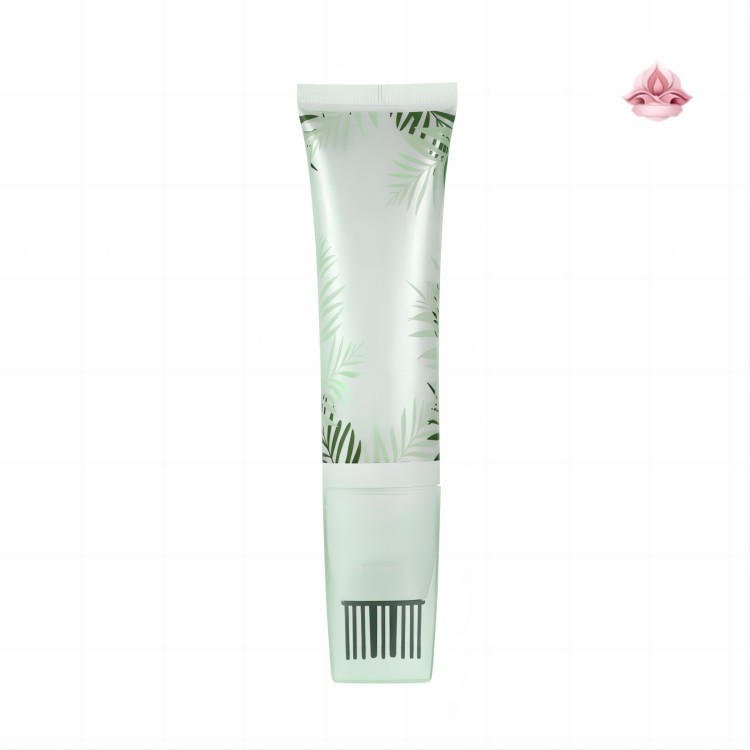
For example, some customers might want a Comb Cosmetic Tube for a hair product. We can design and manufacture these special tubes according to their needs. We can also add some special features, like a child - resistant cap or a tamper - evident seal.
Why Choose Our Soft Tip Cosmetic Tubes
We take pride in our production process. We use high - quality materials, state - of - the - art technology, and strict quality control measures. This ensures that our tubes are not only beautiful but also functional and reliable.
Our tubes are suitable for a wide range of cosmetic products, from lip balms to creams and lotions. Whether you're a small startup or a big brand, we can provide you with the perfect soft tip cosmetic tubes.
Contact Us for Procurement
If you're interested in our soft tip cosmetic tubes, we'd love to hear from you! We can offer competitive prices, fast delivery, and excellent customer service. Just reach out to us, and we'll be happy to discuss your specific requirements and provide you with a quote. Let's work together to make your cosmetic products stand out on the market!
References
- "Plastics Extrusion Technology" by Allan A. Griff.
- "Printing Technology Handbook" by R. H. Hopkinson.